The Role of Artificial Intelligence in the Evolution of Human Creativity
The Transformative Power of AI in Creative Processes
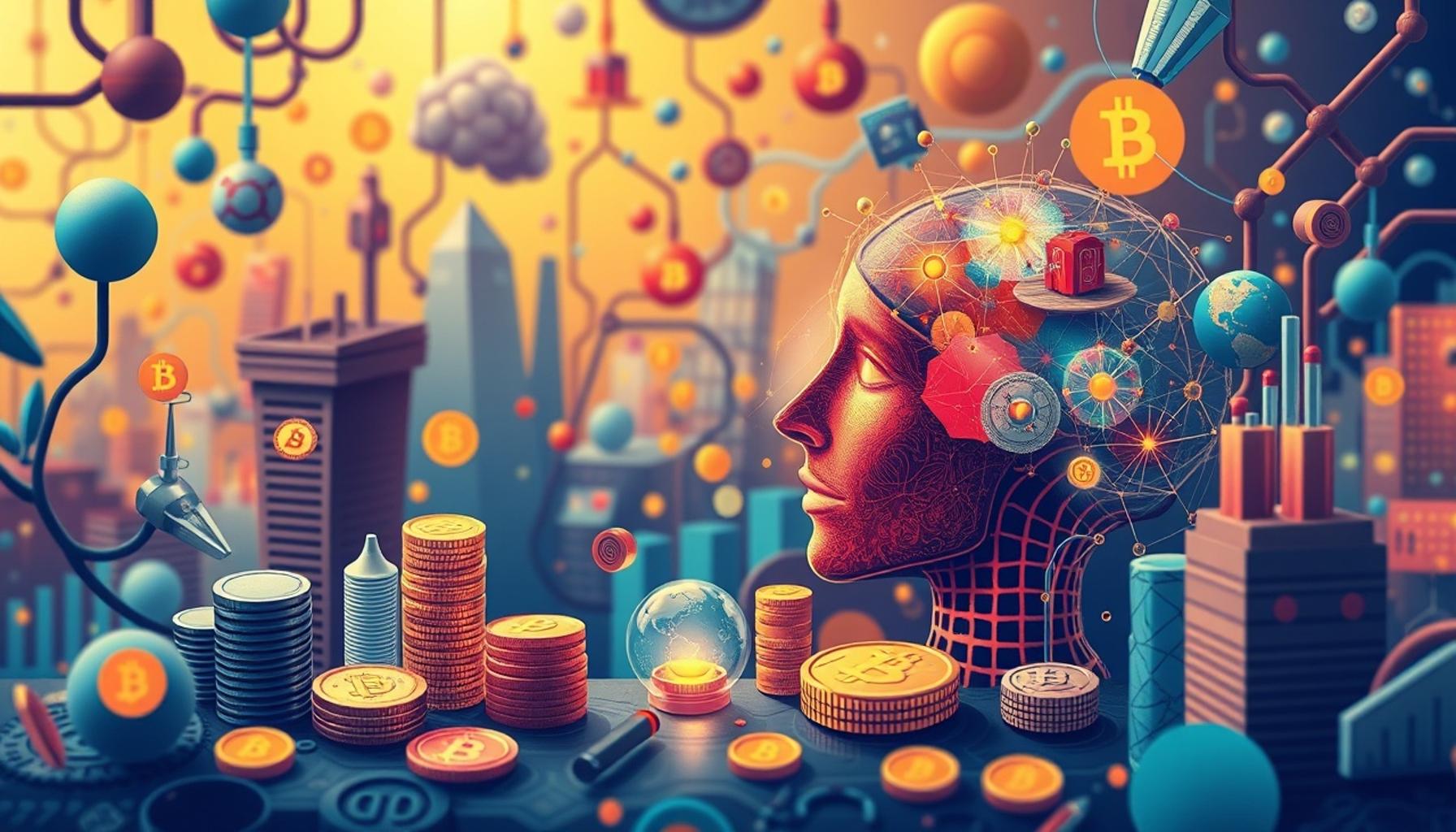
Artificial intelligence (AI) is dramatically reshaping the landscape of human creativity. By enabling innovative tools and platforms, AI allows individuals to explore new horizons in various fields. This intersection of technology and creativity has led to remarkable advancements that expand our creative potential.
Enhanced Collaboration
AI can partner with artists, writers, and designers, offering suggestions and insights that were previously unattainable. For instance, AI-powered design platforms like Adobe Sensei assist graphic designers by automating mundane tasks such as resizing images and color correction, which allows artists to invest more time in conceptualization and creativity. A musician might use AI tools that analyze different music genres to suggest melody or chord progressions, evolving a person’s style and pushing boundaries. This collaborative aspect redefines the creator’s role, transforming them into facilitators of ideas rather than sole producers.
Inspiration Generation
Another significant aspect of AI’s influence on creativity is its ability for inspiration generation. Tools powered by AI can analyze vast amounts of data, including existing artworks, literature, and trends, to provide inspiration that sparks fresh ideas and concepts. For example, platforms like Artbreeder use machine learning algorithms to blend different images, creating unique designs by merging styles. Writers can use AI-driven content generation tools like OpenAI’s ChatGPT to brainstorm themes, plot ideas, or character development. This capability allows creators to discover new directions and innovations that might not have surfaced through traditional brainstorming methods.
Accessibility
One of the most profound impacts of AI is its democratization of creativity. Advanced tools that were once available only to professionals are now accessible to individuals regardless of their skill level. For instance, an aspiring filmmaker can utilize AI-driven video editing applications to achieve professional-quality edits without needing extensive technical training. Similarly, amateur musicians can produce high-quality tracks using AI software that simplifies music composition and mixing processes. This shift empowers a wider range of individuals to express themselves creatively, helping diverse voices to emerge and be heard.
Rethinking Traditional Creative Processes
This evolving relationship between humans and machines invites us to rethink traditional creative processes. As we harness the power of AI, we are likely to witness a transformation that challenges our understanding of creativity itself. The question arises whether AI should be viewed merely as a tool or as a collaborator in the creative journey. As its capabilities grow, so does our need to explore the ethical implications of AI in art and communication.
In conclusion, AI’s role in enhancing collaboration, generating inspiration, and making creative tools accessible signals a profound shift in how we engage with creativity. Embracing this technology can lead to exciting new opportunities for innovation, pushing the boundaries of what is possible across numerous artistic avenues.
DON’T MISS: Click here to learn how to apply!
Reimagining Creative Boundaries with AI
As artificial intelligence continues to take center stage in the realm of creativity, it prompts us to reconsider not only how we create but also what defines creativity itself. Traditional notions have often emphasized the role of individual genius and the painstaking methods of creation. However, with AI stepping onto the canvas, we are encountering a shift that challenges these established paradigms.
AI as a Creative Partner
Artificial intelligence functions as a creative partner, enhancing the capabilities of artists and strategists across various industries. This partnership can take many forms, from idea generation to execution. For instance, graphic design tools like Canva integrate AI to suggest design layouts based on user preferences, streamlining the creative process. In the field of literature, AI applications like Sudowrite can facilitate writers by suggesting plot twists, character arcs, and even realistic dialogue, thereby cultivating a collaborative writing environment that fosters inspiration and innovation.
Expanding Creative Horizons
AI offers the potential to expand creative horizons by providing access to limitless sources of inspiration and information. Algorithms can analyze an extensive range of artistic history, current trends, and cultural contexts to generate new concepts and ideas. For example, AI platforms can curate playlists that showcase both popular and underrepresented music genres, influencing artists to merge differing styles. This cross-pollination of ideas not only enhances originality but also encourages creators to experiment with hybrid forms, leading to the birth of new artistic movements.
The Role of Data in Creativity
AI’s reliance on data opens up new avenues for creativity, blurring the lines between analysis and artistry. The integration of data analytics in creative practices aids artists to make informed decisions based on audience preferences or emerging trends. Consider the following examples:
- Film Directors: By using AI tools that analyze box office trends and viewer responses, filmmakers can craft stories that resonate more deeply with audiences.
- Fashion Designers: AI can predict trends by scanning social media and fashion platforms, allowing designers to create collections that align with consumer desires before they even fully form.
- Writers: AI typing assistants help writers improve their work through real-time sentiment analysis, ensuring the tone and style align with their intended message.
This fusion of data and creativity not only enriches the final product but also strengthens the emotional connection between creators and their audience.
Ethical Considerations
As we harness AI’s capabilities in creative endeavors, it is essential to navigate the accompanying ethical considerations. Questions about intellectual property, authenticity, and the role of human emotion in art arise as technology advances rapidly. For instance, when AI-generated art gains popularity, we must assess what it means for artists whose work may be overshadowed or even appropriated by algorithm-driven creations. This ongoing conversation encourages an introspective examination of our creative values and the true essence of artistry.
In summary, AI presents a transformative opportunity in the evolution of human creativity, from redefining collaborative roles to expanding inspirations and raising ethical questions. As we engage with these advancements, we venture into uncharted territory that requires both innovation and mindfulness in equal measure.
DISCOVER MORE: Click here to delve deeper
Transforming Industries through AI-Driven Creativity
As artificial intelligence integrates more deeply into various creative fields, we are witnessing how it not only augments existing artistic processes but also transforms entire industries. The adaptability of AI technology enables it to offer tailored solutions that refine productivity and inspire novel contributions across different domains.
AI in the Music Industry
AI is revolutionizing the music industry by enabling artists to explore new musical landscapes and reach wider audiences. Platforms like Amper Music and Jukedeck allow musicians to generate original compositions in minutes, providing foundational scores that can be customized to fit specific moods or themes. Artists can experiment with blending genres or styles, thus pushing the boundaries of traditional music-making.
Moreover, AI-driven analytics tools help producers and labels identify rising trends and understand listener preferences, allowing for better-targeted marketing strategies. This means that promising artists can receive a spotlight even if they operate outside mainstream music circles, fostering diversity in the industry.
AI in Visual Arts
The visual arts sector is also being transformed by innovative AI applications that foster creativity. For instance, AI programs like DeepArt and DALL-E enable artists to generate stunning visuals based on text inputs or existing images. These tools empower creators to realize ideas that were once merely conceptual, turning imaginative thoughts into tangible art pieces.
The use of AI-generated visuals in marketing and advertising campaigns has gained traction, where brands leverage unique artwork tailored through AI to appeal to specific consumer demographics. This synergy between digital art and marketing not only amplifies engagement but also expands the possibilities of visual storytelling.
Education and AI in Creative Development
AI is also making significant strides in the educational sector, particularly in teaching creative disciplines. Educational platforms that integrate AI tools can offer personalized learning experiences for students in various artistic fields. For example, platforms like Skillshare employ AI algorithms to recommend courses and materials based on individual learning styles and progress. This personalized approach can empower aspiring artists and writers to cultivate their skills more effectively.
Additionally, AI can analyze students’ work and provide immediate feedback, allowing them to refine their craft without the typical delays associated with traditional critiques. As a result, young creators gain the confidence to experiment and innovate, thereby contributing to the evolution of their art forms.
The Human Element in AI-Enhanced Creativity
While AI opens up an exciting world of possibilities for creativity, the human element remains indispensable. AI can generate ideas and solutions, but it is the human touch—empathy, intuition, and emotional understanding—that breathes life into art. Artists are increasingly using AI as a tool to complement their creative vision rather than replace it. The most compelling works often arise from the intricate dance between machine learning and human passion.
This collaboration enhances the creative process in ways that reaffirm our shared humanity, driving us to question and redefine our artistic aspirations. As we continue to explore this evolving partnership, we are reminded that the essence of creativity is deeply rooted in the human experience, even in the age of AI.
DISCOVER MORE: Click here for insights on ensuring financial stability during your career transition</
Conclusion: Embracing the Synergy of AI and Human Creativity
In conclusion, the relationship between artificial intelligence and human creativity is a fascinating blend of technology and artistry that is reshaping our creative landscape. AI serves as a powerful ally, providing tools that enhance artistic expression, streamline processes, and democratize access to creative opportunities. Whether in music, visual arts, or education, AI facilitates innovative exploration, pushing boundaries and enabling creators to produce work that resonates with broader audiences.
The transformation is not without challenges; however, it prompts essential conversations around authorship and the implications of machine-generated art. It is crucial to remember that while AI can generate ideas and facilitate the creative process, the emotional depth and cultural insights that human creators bring to their work remain irreplaceable. Each masterpiece born from this intersection of technology and human intuition is a reminder that creativity is not solely about the resulting product, but rather the journey and context behind it.
As we advance into an era where AI continues to evolve, embracing this partnership is vital. By fostering collaboration between human creators and artificial intelligence, we can unlock unprecedented potential for artistic innovation. This synergy not only enriches our cultural narratives but also invites each of us to participate in shaping the future of creativity, ensuring it remains vibrant, diverse, and deeply human-centered.

Linda Carter
Linda Carter is a writer and expert known for producing clear, engaging, and easy-to-understand content. With solid experience guiding people in achieving their goals, she shares valuable insights and practical guidance. Her mission is to support readers in making informed choices and achieving significant progress.