The Rise of Smart Cities: How Technology Is Redefining Urban Life
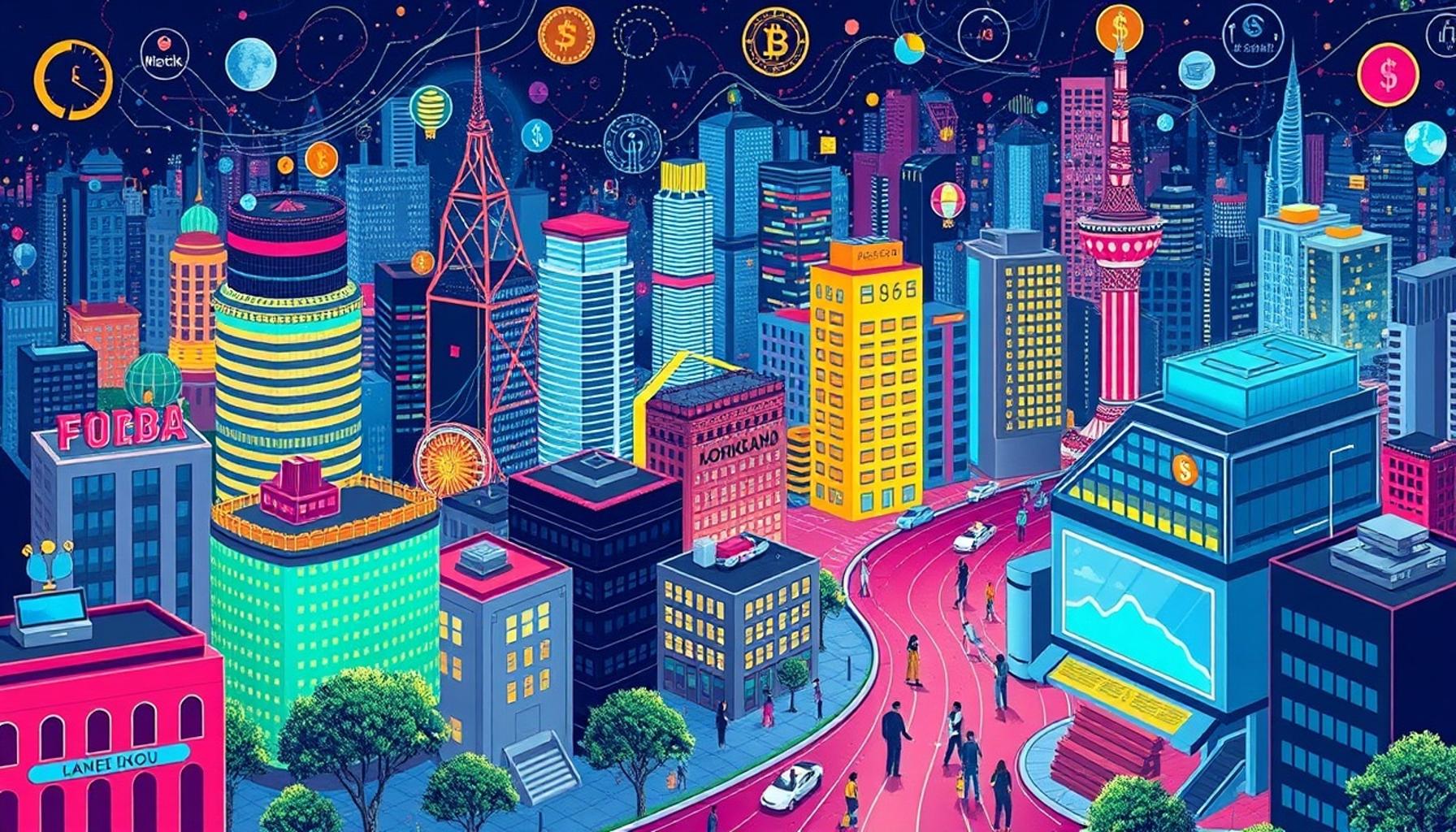
The Rise of Smart Cities
In recent years, urban centers across the globe have embarked on a transformative journey towards becoming smart cities. This shift is largely driven by advancements in technology and a growing need for sustainable urban living solutions. In a nutshell, smart cities leverage digital innovations to create interconnected systems that improve residents’ daily experiences while enhancing overall city management.
The implementation of intelligent transportation systems is a prime example of how cities are becoming smarter. Traffic lights equipped with sensors can adapt in real time to traffic conditions, reducing wait times for drivers and improving the flow of vehicles. For instance, cities like Los Angeles have begun using intelligent traffic management systems that analyze data from multiple sources, including cameras and sensors, to optimize traffic light cycles. This not only minimizes congestion but also contributes to decreased carbon emissions, creating a cleaner environment.
Another noteworthy feature of smart cities is connected infrastructure. Buildings are now often outfitted with sensors that provide real-time monitoring of energy usage. These systems can detect inefficiencies, alerting building managers when energy consumption exceeds predefined limits. A practical example is the Empire State Building in New York, which has undergone retrofitting with smart technology to decrease energy waste. This effort has led to significant energy savings, showcasing how smart technology can directly contribute to sustainability.
Moreover, enhanced public services play a crucial role in the smart city concept. For example, mobile applications enable residents to easily report city issues like potholes or malfunctioning streetlights with just a few clicks. Cities like Chicago have adopted platforms that allow citizens to communicate problems directly to city officials, speeding up the response time for repairs and thereby increasing satisfaction among residents.
The benefits of these innovations extend beyond convenience; they contribute significantly to improving urban living. Smart waste management systems utilize sensors in refuse bins to signal when they need to be emptied. This optimizes collection routes and schedules, leading to improved air quality and reduced operational costs. Additionally, optimized public transport routes can significantly reduce congestion. Cities like San Francisco have implemented smart bus systems that utilize real-time data to adjust routes dynamically, enhancing efficiency for commuters.
Another important aspect concerns safety. Smart cities are increasingly using smart surveillance systems to enhance security. These systems include facial recognition technology and advanced analytics to prevent crime and ensure public safety. Cities like Detroit have invested in smart cameras that can analyze patterns and flag suspicious activities in real time, ultimately making streets safer for families.
As urban areas increasingly embrace technology, residents can anticipate a future characterized by smarter services and a significantly improved quality of life. This evolution towards smart cities is not just a passing trend; it represents a fundamental shift necessary to address the pressing challenges of urban living today and in the future.
DIVE DEEPER: Click here to discover the key benefits
Transformative Technologies Shaping Smart Cities
As we delve deeper into the fundamental components of smart cities, it’s essential to recognize that the backbone of this urban transformation lies in a variety of interconnected technologies. These technologies not only enhance the efficiency of city operations but also improve the quality of life for residents. Here are a few key areas where technology is making an impactful difference:
- Data Analytics and IoT: The Internet of Things (IoT) is at the heart of smart city initiatives, allowing everyday objects to connect and share data. Smart streetlights, for instance, can adjust brightness according to pedestrian movement, saving energy while enhancing safety.
- Smart Grids: These modern utilities enhance the reliability and efficiency of energy distribution. By integrating renewable sources and real-time data, cities can better manage electricity demand and reduce strain on traditional power grids.
- Smart Water Management: Technologies such as smart meters help detect leaks and monitor water quality in real time. Cities like Philadelphia are already utilizing these systems, leading to reduced water waste and ensuring safe drinking water for residents.
- Public Wi-Fi and Connectivity: Improving internet access in urban areas through public Wi-Fi initiatives enhances residents’ ability to work and learn from anywhere. Cities are investing in infrastructure to ensure that all residents have access to reliable internet services.
The integration of these technologies into urban infrastructure creates a digitally connected environment that fosters innovation and engagement among residents. Cities like Singapore are exemplifying how seamless integration can facilitate smart services, from traffic management to waste collection, ultimately creating a more pleasant living experience.
Furthermore, the concept of mobility as a service is gaining traction in smart cities. This approach combines various transportation options—such as buses, ride-sharing, and bicycles—into a single, accessible platform, allowing users to plan and execute their journeys more conveniently. For example, in cities like Austin, Texas, transportation apps provide insights into the most efficient routes and available transit options, reducing the reliance on personal vehicles.
In addition to mobility, smart parks and public spaces also contribute to enhancing urban life. By using technologies such as sensors for monitoring foot traffic and weather patterns, cities can better allocate resources and maintain these vital community areas. Parks equipped with free Wi-Fi and charging stations encourage social interaction and foster a sense of community among residents.
The rise of smart cities not only addresses immediate urban challenges but also anticipates future needs through proactive solutions. As technology continues to evolve, the potential for further advancements in urban living becomes increasingly promising. Cities that embrace these changes can expect to see substantial improvements in environmental sustainability, economic development, and the overall well-being of their residents.
DISCOVER MORE: Click here for savvy saving tips
Citizen Engagement and Inclusion in Smart Cities
At the heart of any thriving city lies its residents, and the rise of smart cities is fundamentally about enhancing citizen engagement and inclusion. By integrating technology into urban life, cities can empower their residents to become active participants in community decision-making processes. This shift towards participatory governance is reflective of a growing trend where municipalities leverage digital platforms to facilitate dialogue and collaboration.
One notable example is the use of crowdsourcing platforms that allow residents to report issues such as potholes, broken streetlights, or other maintenance concerns. In San Francisco, the 311 app enables citizens to submit service requests directly to the city government, creating a more responsive approach to urban management. This level of connectivity fosters a sense of ownership among residents, as they directly contribute to enhancing their community.
Moreover, the incorporation of data visualization tools into city planning processes allows for increased transparency. By making reports and forecasts accessible to the public, cities encourage informed discussions on urban development projects. For instance, Atlanta has developed interactive online dashboards that track public spending and urban planning metrics, providing residents with insights into ongoing initiatives and fostering greater accountability from local officials.
Smart Healthcare Initiatives
The evolution of smart cities also extends into the realm of public health. Technologies that support telemedicine and remote monitoring are becoming integral components of urban healthcare strategies. Cities leveraging these technologies can improve access to healthcare services, particularly for underserved populations. For example, New York City has embraced telehealth solutions to provide residents with virtual consultations, minimizing barriers to essential healthcare services and promoting public health.
Furthermore, smart health initiatives such as wearable fitness technology and health tracking apps contribute to improved public health outcomes. Initiatives to promote healthy living are often augmented with public data on air quality, enabling residents to make informed choices about exercise and outdoor activities. In cities like Los Angeles, the development of health-oriented community spaces, such as fitness parks equipped with workout stations and walking trails, reflects this trend of integrating health-conscious designs into urban infrastructure.
Environmental Sustainability through Smart Innovations
In addition to enhancing quality of life for residents, smart cities are also taking strides towards achieving environmental sustainability. With the increasing impacts of climate change, urban areas must address their environmental footprint. One of the methods utilized is the implementation of smart waste management systems. For instance, New York City has introduced smart bins equipped with sensors that monitor trash levels, prompting collection only when necessary, thereby reducing fuel consumption and operational costs.
Furthermore, urban forestry projects and green infrastructure are being enhanced using technology. Cities like Seattle have developed apps that allow residents to track tree health and growth patterns, promoting a culture of conservation and active participation in environmental stewardship. By empowering citizens to engage in preservation efforts, cities can foster a sense of responsibility towards the environment.
As these examples illustrate, the rise of smart cities is not merely about technology; it encapsulates a holistic approach to urban living where citizen engagement, health innovation, and environmental sustainability intertwine. By leveraging technology to foster collaboration and accountability, cities can ensure that the benefits of smart urban initiatives are equitably distributed among all residents.
DISCOVER MORE: Click here to enhance your future employability
Conclusion: Embracing the Smart City Revolution
The ascent of smart cities marks a significant shift in how we perceive urban living and community engagement. Through the integration of technology, cities are not only enhancing everyday life but are also fostering an inclusive environment where residents play an active role in shaping their communities. As discussed, tools like crowdsourcing platforms and enhanced data transparency empower citizens to communicate their needs and concerns, fostering a deeper connection to their urban surroundings.
Moreover, smart healthcare initiatives are revolutionizing access to essential services, making it easier for all citizens, especially marginalized populations, to receive care. Cities are increasingly recognizing the importance of public health by leveraging telemedicine and community fitness initiatives that promote healthier lifestyles. This multifaceted approach illustrates a dedication to enhancing the welfare of residents, ultimately contributing to a robust community bond.
Environmental sustainability is yet another cornerstone of the smart city model. With the effective use of technology in waste management and urban greenery, cities are not only addressing climate challenges but are also encouraging residents to take an active role in environmental preservation. In this way, smart cities embody a collective responsibility towards sustainable development.
As we look to the future, it is imperative for city planners, policymakers, and citizens to collaborate in harnessing technology to create urban spaces that are not just smarter, but also more humane and equitable. The rise of smart cities represents an opportunity to redefine urban life for the better—a chance for communities to thrive in harmony with technology while prioritizing the needs and voices of everyone who calls the city home.

Linda Carter
Linda Carter is a writer and expert known for producing clear, engaging, and easy-to-understand content. With solid experience guiding people in achieving their goals, she shares valuable insights and practical guidance. Her mission is to support readers in making informed choices and achieving significant progress.