Technology and Sustainability: Innovations That Are Changing the Green Industry
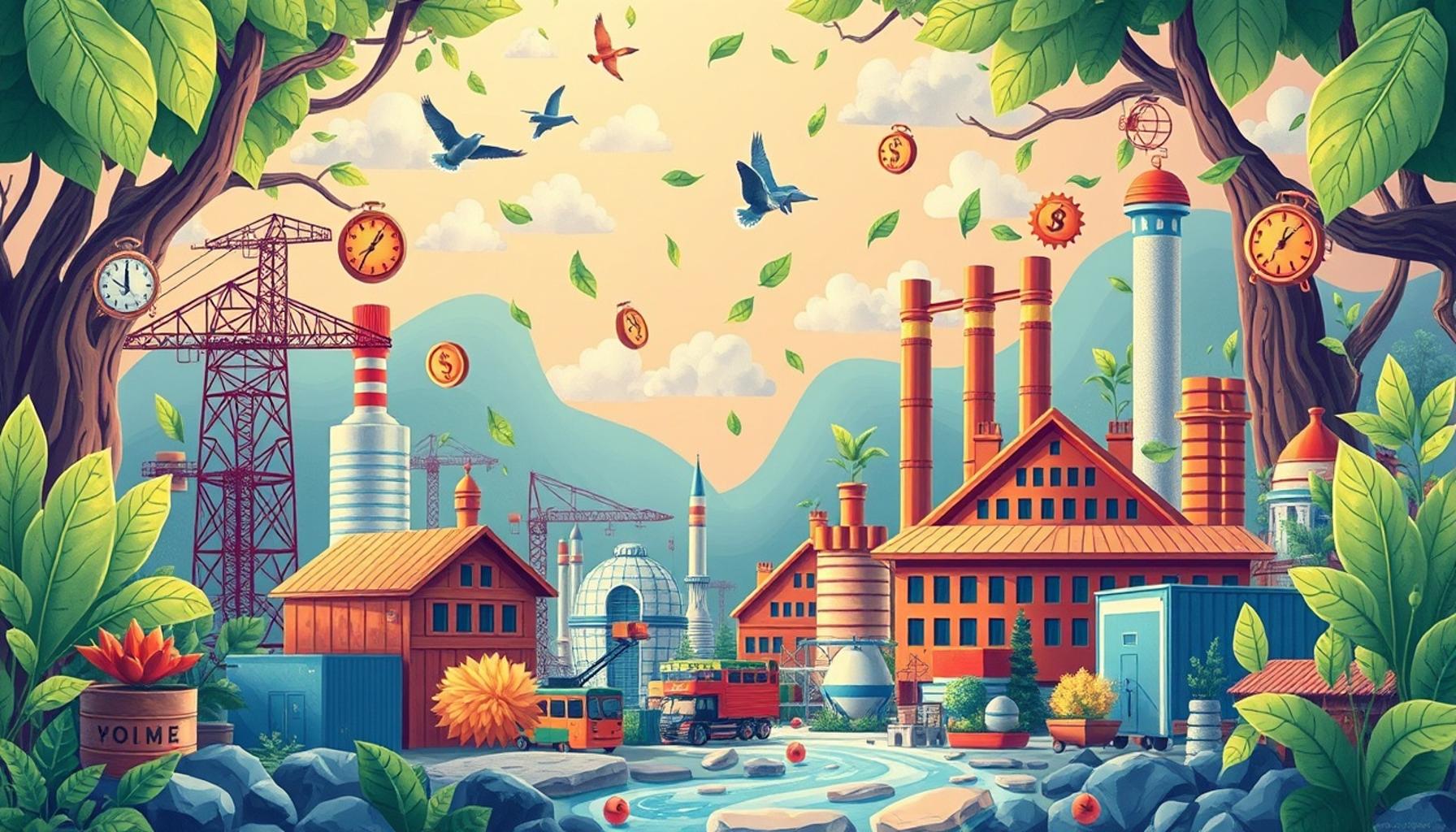
Understanding the Role of Technology in Sustainable Practices
In our rapidly changing world, the convergence of technology and sustainability has become a beacon of hope for addressing environmental challenges. The innovations stemming from this intersection are not merely theoretical; they are practical applications that can enhance efficiency and promote responsible resource management. By adopting these advanced solutions, individuals and businesses can significantly contribute to a sustainable future.
Renewable Energy Technology
One of the most notable advancements in sustainable technology is in the realm of renewable energy sources. Technologies such as solar panels and wind turbines have seen remarkable improvements in accessibility and cost-effectiveness over recent years. For example, the price of solar energy systems has plummeted by about 82% since 2010, according to the International Renewable Energy Agency. This decrease has allowed more households and businesses across the United States to invest in solar energy, significantly reducing reliance on fossil fuels.
Moreover, wind energy has become a staple in many regions, particularly in the Midwest. States like Texas and Iowa are leading the way in wind power production, harnessing natural resources with minimal environmental impact. The development of efficient turbine designs and energy storage solutions allows us to utilize wind energy when the weather is favorable, further enhancing energy reliability.
Smart Farming Techniques
The agricultural sector is also experiencing a revolution thanks to smart farming techniques that utilize Internet of Things (IoT) devices. These technologies enable farmers to monitor soil conditions, moisture levels, and crop health in real-time. For instance, sensors can provide feedback about various environmental factors, allowing farmers to use resources more judiciously and reduce waste. This not only optimizes productivity but also conserves water, a critical resource in many regions of the U.S.
By employing precision agriculture practices, such as targeted irrigation and fertilization, farmers can significantly minimize their environmental footprint. Drones equipped with cameras can survey large areas to shift focus onto crops that require immediate attention, thus preventing unnecessary chemical use and promoting healthier ecosystems.
Advanced Recycling Processes
Another vital area where technology excels is in advanced recycling processes. Traditional recycling methods often struggle with material recovery rates, leading to a significant amount of waste ending up in landfills. However, emerging technologies now streamline the recycling process, allowing for better sorting and processing of materials. For example, AI technologies can identify and sort recyclable materials more effectively than humans, enhancing the recovery rates of valuable resources like plastic and metals.
Moreover, innovative approaches such as chemical recycling are gaining traction, allowing plastics to be broken down to their original monomers, which can then be reused to create new products. This not only reduces landfill waste but also lessens the demand for virgin materials, contributing to a circular economy.
In summary, the integration of technology into sustainable practices provides innovative solutions that are vital for tackling urgent environmental issues such as climate change and resource depletion. By recognizing and embracing these advancements, we can foster a culture of sustainability that not only benefits our planet but also paves the way for future generations. The more we understand and implement these technologies, the closer we will move towards a truly sustainable future.
DIVE DEEPER: Click here to learn how to secure your Oportun loan</p
Innovative Solutions Leading the Charge in Sustainability
As society grapples with the pressing need for sustainable development, technology has emerged as a key driver for change. Innovations in various sectors are not only enhancing operational efficiency but also providing solutions that positively impact the environment. Let’s explore several groundbreaking technologies that represent the forefront of sustainability in practical terms.
Electric Transportation
Transportation is one of the largest contributors to greenhouse gas emissions, making it a critical area for innovation. The rise of electric vehicles (EVs) marks a significant shift towards reducing carbon footprints. With companies like Tesla leading the charge, EVs are becoming increasingly viable options for everyday consumers. According to the Union of Concerned Scientists, driving an electric car produces, on average, less than half the emissions of a gasoline-powered vehicle. Additionally, advancements in battery technology are paving the way for longer ranges and quicker charging times, further overcoming the limitations that have previously held back widespread adoption.
Moreover, the integration of EVs with smart technologies is opening up new possibilities for urban transportation systems. For instance, ride-sharing apps can optimize routes in real-time, helping to reduce traffic congestion and further lower emissions. Initiatives like carpooling and electric public buses are also gaining traction, emphasizing the importance of communal transport in achieving a greener footprint.
Water Conservation Technologies
Water scarcity is a growing concern that affects millions in the United States and around the world. Fortunately, technology is stepping up to mitigate this crisis through innovative water conservation solutions. Techniques such as rainwater harvesting systems allow households and businesses to collect and store rainwater for irrigation and other non-potable uses. This practice not only conserves municipal water supplies but also helps to manage stormwater runoff, reducing flooding risks in urban areas.
In addition, advancements in desalination technology are allowing us to obtain fresh water from seawater, potentially providing solutions for regions that experience chronic water shortages. Modern desalination plants use energy-efficient processes to extract salt and other impurities from water, making it suitable for drinking and agricultural needs. As these technologies become more accessible and cost-effective, they hold the promise of improving water security in arid regions.
Biodegradable Materials
Plastic pollution poses a significant threat to our ecosystems, prompting a push towards developing biodegradable materials that can reduce waste without harming the environment. Innovations in materials science are leading to the creation of bioplastics derived from renewable resources such as corn starch or sugarcane. Unlike traditional plastics, these materials break down naturally, minimizing their impact on landfills and oceans.
- Biodegradable packaging: Many companies are transitioning to packaging solutions that decompose within months rather than centuries, significantly reducing plastic waste.
- Compostable utensils: Fast-food chains and catering businesses are embracing compostable cutlery that enhances convenience while remaining environmentally friendly.
- Textiles: New developments in biodegradable fabrics for clothing are making waves in the fashion industry, where sustainability is becoming a selling point for conscious consumers.
In conclusion, innovative solutions in transportation, water conservation, and materials science showcase the vital role technology plays in promoting sustainability. As we recognize and invest in these advancements, we embed sustainability within the core of our industries, leading the way to a more sustainable and environmentally responsible future.
DIVE DEEPER: Click here to discover how to diversify your investments effortlessly
Empowering the Future: Emerging Technologies for Sustainability
As the world evolves, technology continues to provide us with exciting opportunities to enhance sustainability practices across various industries. Beyond the innovations already discussed, several additional technologies are making waves and paving the way toward a greener future. This section delves into renewable energy sources, sustainable agriculture practices, and smart waste management systems, all of which are reshaping the landscape of sustainability.
Renewable Energy Innovations
Shifting away from fossil fuels is imperative for achieving long-term sustainability, and renewable energy technologies are at the forefront of this transition. Solar energy has seen remarkable advancements, increasing efficiency and reducing costs in recent years. Panels that utilize bifacial technology can capture sunlight from both sides, leading to greater energy production while occupying the same footprint. As a result, homeowners can now produce more energy from their rooftops, significantly lowering their electric bills and carbon footprints.
Wind energy is also on the rise, with offshore wind farms becoming more prevalent. These installations leverage higher and more consistent wind speeds found at sea, generating substantial amounts of clean power. Recent innovations include floating wind turbines, which allow for installation in deeper waters where traditional fixed turbines cannot operate. As these technologies improve, they become more cost-effective and capable of powering entire cities without contributing to greenhouse gas emissions.
Sustainable Agriculture Practices
In the realm of agriculture, innovations are helping to ensure food security while minimizing environmental impacts. Technologies such as precision farming utilize data analytics and IoT devices to monitor soil health, crop conditions, and weather patterns. For example, farmers can use drones equipped with sensors to gather real-time data, allowing them to apply resources like water and fertilizer more efficiently. This data-driven approach results in higher yields while conserving valuable natural resources.
Vertical farming is another exciting development that is gaining traction in urban settings. By cultivating crops in stacked layers using controlled environment agriculture (CEA), vertical farms reduce the need for pesticides and fertilizers while using up to 90% less water compared to traditional farming methods. These farms often incorporate hydroponic or aeroponic systems, which allow crops to grow without soil, quickly yielding fresh produce and contributing to local food security.
Smart Waste Management Systems
The exponential growth of waste generation poses significant challenges for sustainability, but technology offers several solutions to tackle this issue effectively. Smart waste management systems utilize IoT devices and data analytics to optimize waste collection routes and schedules. By using sensors in waste bins to monitor fill levels, municipalities can adjust collection frequencies, thereby reducing unnecessary trips and fuel consumption.
Additionally, waste-to-energy technologies are transforming how we view waste. Facilities that employ anaerobic digestion convert organic waste into biogas, which can be harnessed for electricity or heating. This process not only reduces landfill waste but also generates a renewable energy source. Furthermore, recycling technologies have advanced to enable better sorting and processing of recyclable materials, making it easier for cities and communities to achieve their waste diversion goals.
Overall, as technologies in renewable energy, sustainable agriculture, and waste management continue to advance, they play a vital role in shaping a sustainable future. By embracing these innovations, we can work toward a healthier planet for generations to come.
LEARN MORE: Click here to discover safe investment strategies
Conclusion: A Pathway to a Sustainable Future
The intersection of technology and sustainability showcases a dynamic landscape filled with innovations that are not only advancing the green industry but also redefining our relationship with the environment. As we have explored, emerging technologies in renewable energy, sustainable agriculture, and waste management are crucial components that empower us to combat climate change and promote ecological balance.
By harnessing renewable energy sources, such as solar and wind power, we are moving towards a future that is less reliant on fossil fuels, thereby minimizing our carbon footprints. Innovations in precision farming and vertical agriculture allow us to grow food in resource-efficient ways, ensuring food security while maintaining environmental stewardship. Furthermore, smart waste management solutions contribute to a circular economy by optimizing waste disposal processes and reducing landfill reliance.
As we look ahead, it is vital for individuals, businesses, and policymakers to embrace these technological advancements and incorporate them into everyday practices. Collaboration and investment in sustainable technologies can lead to significant progress in achieving overarching climate goals. The path to a sustainable future is paved with innovation, and by adopting these practices, we not only protect our planet but also inspire future generations to continue the journey toward sustainability.
Ultimately, the commitment to integrating technology with sustainability holds the promise of a healthier planet, greater economic resilience, and an improved quality of life for all. Embracing these innovations will be central to ensuring a thriving world for both people and nature.

Linda Carter
Linda Carter is a writer and expert known for producing clear, engaging, and easy-to-understand content. With solid experience guiding people in achieving their goals, she shares valuable insights and practical guidance. Her mission is to support readers in making informed choices and achieving significant progress.