

Clean Energy Technologies and Their Role in the Fight Against Climate Change
The Significance of Clean Energy Technologies
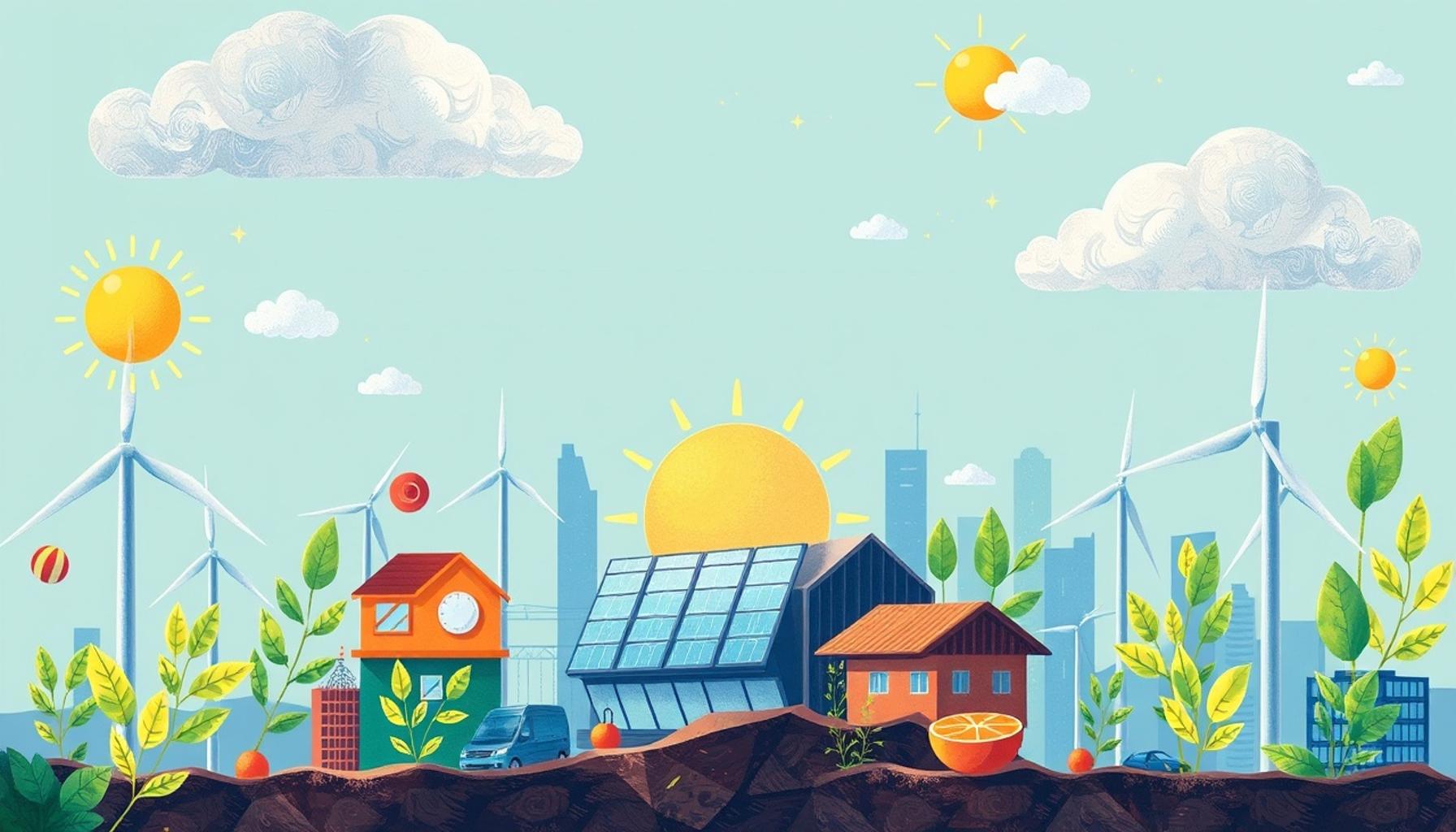
As global temperatures continue to rise and environmental concerns mount, the role of clean energy technologies becomes increasingly crucial. These innovations are more than just alternatives to conventional fossil fuels; they are vital in our fight against climate change and in creating a sustainable future for generations to come. Communities across the United States are discovering that clean energy solutions are not only environmentally friendly but also increasingly affordable and accessible.
Overview of Clean Energy Technologies
Clean energy technologies come in various forms, each with its unique approach to harnessing natural resources. Understanding these technologies helps us appreciate their potential to revolutionize energy consumption.
- Solar Power: Solar panels convert sunlight into electricity, providing renewable energy for homes, businesses, and industries. For instance, states like California lead the way with extensive solar installations, allowing homeowners to reduce their electricity bills and their carbon footprints.
- Wind Energy: Wind turbines capture the kinetic energy from wind and convert it into electricity. Regionally, Texas is a pioneer in wind energy, boasting more wind farms than any other state, which significantly contributes to its energy supply.
- Hydropower: Hydropower utilizes flowing water to generate energy, typically through dams. This method is prevalent across the U.S., especially in regions with substantial water bodies, like the Columbia River Basin, which provides a large share of renewable energy.
- Geothermal Energy: This technology taps into the Earth’s internal heat for energy production. Areas with high geothermal potential, like Yellowstone National Park in Wyoming, demonstrate how this resource can be harnessed sustainably.
- Biomass: Biomass energy involves using organic materials, such as agricultural waste and wood, to create electricity or heat. It offers the dual benefit of waste management and energy production, thereby helping local communities reduce landfill use.
Importance of Clean Energy Technologies
The adoption of clean energy technologies comes with several critical benefits:
- Reducing reliance on fossil fuels: By utilizing renewable energy sources, we can decrease our dependence on coal, oil, and natural gas, which are finite and harmful to the environment when burned.
- Lowering carbon emissions: Clean energy sources significantly minimize greenhouse gas emissions, vital in mitigating climate change and its adverse effects on ecosystems and human health.
- Creating jobs and boosting local economies: The renewable energy sector is labor-intensive, resulting in job creation in manufacturing, installation, and maintenance. For example, the solar industry alone has catalyzed tens of thousands of jobs across the U.S.
- Enhancing energy security: Diversifying energy sources improves resilience against supply disruptions, thus stabilizing energy prices and safeguarding against global market fluctuations.
As the United States aims for ambitious climate goals, the shift towards clean energy technologies is becoming a pressing necessity. By investing in these innovations, we stand to gain not only a cleaner environment but also robust economic growth and improved public health. Together, adopting clean energy technologies can lead us to a sustainable future, where both people and the planet thrive.
DON’T MISS OUT: Click here to learn how to prioritize your finances
Key Benefits of Transitioning to Clean Energy
The transition to clean energy technologies is not just an environmental imperative; it also presents an array of social and economic benefits that enhance the quality of life for communities across the United States. By embracing these technologies, we can create a more sustainable future while tackling pressing climate challenges. Below, we explore some of the most significant advantages of clean energy technologies.
- Mitigating Climate Change: One of the most critical benefits of clean energy technologies is their role in reducing greenhouse gas emissions. As the leading cause of climate change, carbon dioxide emissions from burning fossil fuels need to be significantly curbed. For instance, the increased adoption of solar panels and wind turbines can help decrease carbon footprints, leading to a healthier planet.
- Cost Savings: Many clean energy technologies have become notably more affordable. The cost of solar energy, for example, has dropped dramatically over the past decade, making it a viable option for both residential and commercial use. Consumers not only save on energy bills but also capitalize on government incentives and rebates that promote clean energy adoption.
- Energy Independence: Relying less on imported fossil fuels enhances the energy independence of the United States. With a diverse array of renewable energy sources available, such as hydropower, geothermal, and biomass, states can effectively reduce their vulnerability to geopolitical tensions and supply disruptions.
- Innovative Job Creation: The clean energy sector is rapidly expanding, resulting in the creation of millions of jobs. Jobs in areas such as solar installation, wave energy research, and wind farm maintenance offer a wealth of opportunities that often pay well and require a diverse skill set. For example, the solar energy industry alone has generated more jobs than coal mining at its peak.
- Public Health Benefits: Transitioning to clean energy lowers air pollution, which directly contributes to improved public health outcomes. With fewer emissions from fossil fuel combustion, respiratory illnesses and other health issues related to air quality can decline, ultimately resulting in a higher quality of life for communities.
These benefits showcase why investing in clean energy technologies is not simply an environmental goal; it is a method for fostering economic growth, enhancing public health, and ensuring energy security. As we pursue a sustainable future, it becomes clear that clean energy is at the forefront of effective solutions to combat climate change while improving the resilience and prosperity of American communities.
DIVE DEEPER: Click here to discover how to prioritize your finances
Challenges and Considerations for Clean Energy Adoption
While the advantages of clean energy technologies are compelling, the transition to a renewable energy future is not without its challenges. Addressing these obstacles is essential for fostering widespread adoption and maximizing the benefits of sustainable energy sources. Here, we examine some key challenges and considerations involved in the clean energy transition.
- Infrastructure Development: Upgrading and expanding energy infrastructure to accommodate renewable sources is a significant challenge. Many regions in the United States were designed with fossil fuels in mind, and the integration of technologies like solar and wind requires modernizing grids for optimal distribution. This may involve substantial investment in new transmission lines and energy storage solutions to ensure reliability and efficiency.
- Intermittency of Renewable Sources: Renewable energy sources, such as solar and wind, are often dependent on weather conditions, leading to intermittency challenges. For instance, solar energy generation peaks during sunny days, while wind energy is more abundant on windy days. To mitigate this issue, energy storage systems, like advanced batteries, and diversified energy portfolios can help balance supply and demand, ensuring a stable energy supply.
- Financial Barriers: Despite declining costs, upfront investments for renewable energy systems can still be a hurdle for many consumers and businesses. To encourage adoption, governments can play a crucial role by implementing policies that provide financial assistance, such as tax incentives and low-interest loans. Furthermore, innovative financing models, such as power purchase agreements (PPAs) and community solar programs, can help alleviate the burden of initial capital expenses.
- Public Awareness and Education: While there is growing acceptance of clean energy technologies, many people remain unaware of their benefits or how to access them. Educating the public on the importance of clean energy, its economic advantages, and available options is critical to improving adoption rates. Community workshops and engaging educational campaigns can empower individuals and businesses to make informed decisions about clean energy investments.
- Policy and Regulation: Supportive policies and regulations are vital for creating an environment conducive to clean energy investments. However, in many cases, outdated laws and regulations can hamper progress. Engaging with policymakers to advocate for forward-thinking regulations that prioritize renewable energy is necessary to remove barriers and instigate change. Key policies include renewable portfolio standards, feed-in tariffs, and net metering, which incentivize both consumers and utilities to invest in clean technologies.
Navigating these challenges will require concerted effort from governments, businesses, and communities alike. By addressing infrastructure, intermittency, financing, public awareness, and policy-related obstacles, we can accelerate the transition to clean energy technologies while ensuring that they serve as effective tools in the fight against climate change. As collaboration and innovation guide our efforts, the opportunities for sustainable growth become more attainable.
DON’T MISS OUT: Click here to discover how to score free clothing
Conclusion
In summary, clean energy technologies play a pivotal role in addressing the urgent challenges posed by climate change. By harnessing renewable sources such as solar, wind, and hydroelectric power, we can significantly reduce greenhouse gas emissions and transition away from fossil fuels that contribute to global warming. The innovations within this sector not only provide a path toward a more sustainable energy future but also offer numerous economic opportunities, from job creation in green industries to decreased energy costs for consumers.
However, realizing the full potential of clean energy technologies requires overcoming key hurdles, including infrastructure upgrades, policy reforms, and increasing public awareness. It is crucial for local and national governments, along with private sector stakeholders, to collaborate in designing and implementing strategies that strengthen the adoption of these technologies. For instance, providing financial incentives and educational resources can empower communities to make informed choices, leading to wider acceptance and engagement with renewable energy solutions.
As we move forward, it is essential to foster a culture of sustainability and responsibility, reminding ourselves that our collective efforts can yield significant environmental and social benefits. By investing in clean energy technologies today, we not only combat climate change but also ensure a healthier planet for future generations. The journey toward a renewable energy future is indeed a shared responsibility, and with continued innovation and commitment, we can achieve a sustainable energy landscape that supports both our society and the environment.

Linda Carter
Linda Carter is a writer and expert known for producing clear, engaging, and easy-to-understand content. With solid experience guiding people in achieving their goals, she shares valuable insights and practical guidance. Her mission is to support readers in making informed choices and achieving significant progress.


