Automation and the Future of Work: What Industry 4.0 Means for the American Workforce
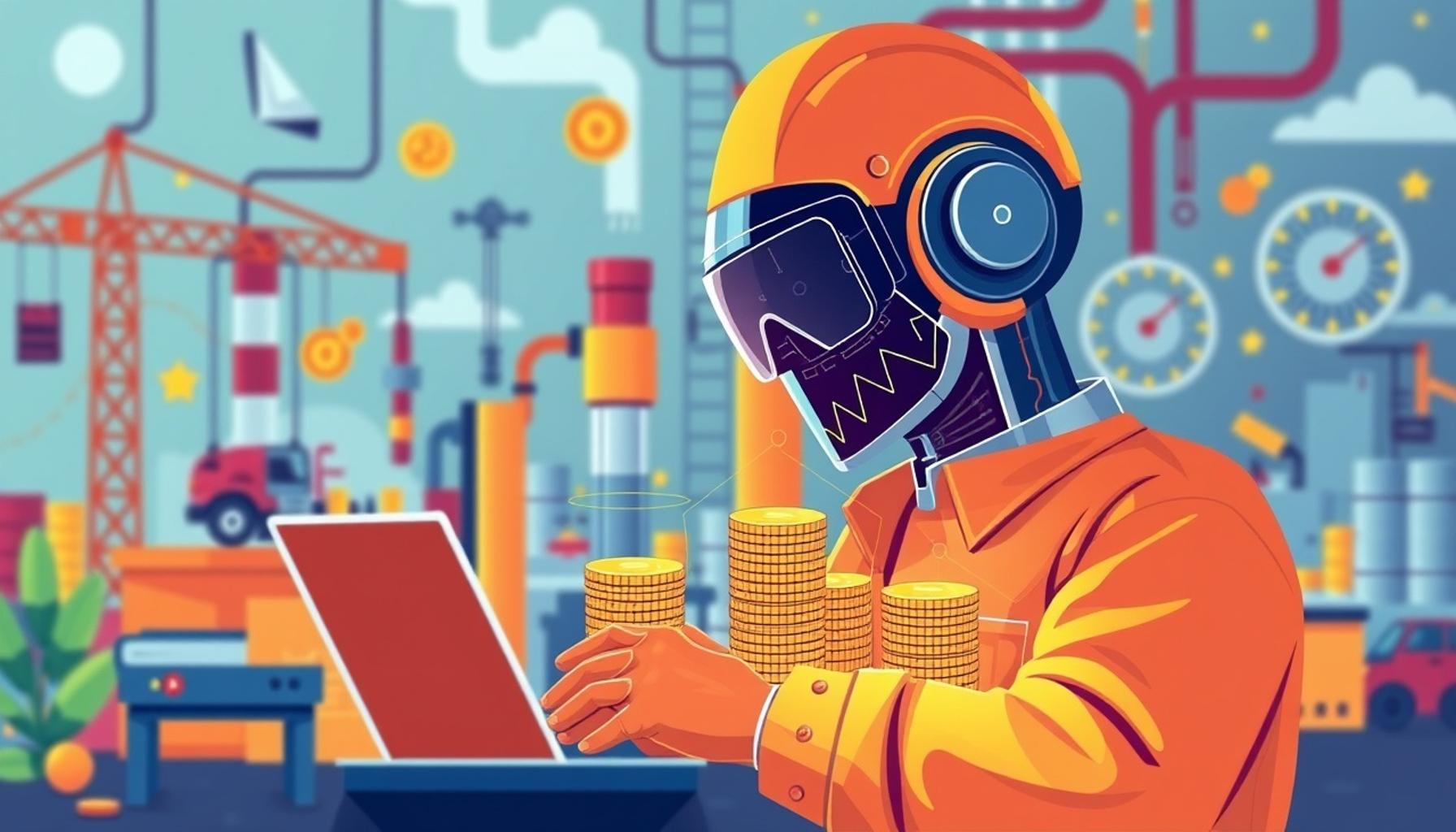
The Impact of Industry 4.0 on the American Workforce
The seismic shifts brought about by Industry 4.0 are not merely technological changes; they represent a fundamental evolution in the way we work and collaborate. This transformation is pushing boundaries and redefining sectors, demanding that both employers and employees rethink their strategies and mindsets. As automation, artificial intelligence, and the Internet of Things (IoT) become ingrained in our everyday work environment, their implications for careers and economics warrant careful examination.
First, let’s delve into the pervasive phenomenon of automation. Machines and sophisticated software are taking on a multitude of tasks that were once exclusively human domains. For instance, in manufacturing, robots can now assemble products faster and with greater precision than their human counterparts. In warehouses, automated systems sort and package goods, markedly improving efficiency. While this leads to a boost in productivity, it also raises the specter of job displacement. Roles that have been the backbone of many industries may become redundant, resulting in significant transitions within the workforce.
However, along with displacement comes the potential for new job creation. As automation takes over routine tasks, there is a demand for positions that focus on higher-level cognitive skills, particularly in maintaining, programming, and managing these new technologies. For example, the rise of AI has created a need for data analysts, machine learning specialists, and cybersecurity experts. These jobs require specialized training and knowledge, which highlights the importance of investing in education and training programs.
This transition also brings about reskilling opportunities. Workers now have a chance to upskill and adapt to new technological demands. Training programs focusing on digital literacy, data analysis, and technical competencies are becoming crucial. For instance, many companies are investing in workshops or online courses to help employees transition into tech-driven roles, emphasizing the need for a workforce that can navigate this complex landscape.
In summary, as the American workforce stands on the brink of this significant evolution, the ability to adapt and learn will become invaluable. Continuous education will not just be an advantage but a necessity for career survival and growth in the age of Industry 4.0. It’s essential that we foster an environment that encourages lifelong learning and equips individuals with the skills needed for the future.
As we move forward, understanding these changes is imperative. Engaging in discussions around strategies for adaptation and the importance of innovation will help prepare the American workforce not just to face challenges but to thrive amidst them.
DISCOVER MORE: Click here for valuable insights
Understanding the Forces of Automation and their Effects
At the heart of Industry 4.0 lies automation, a driving force that is reshaping the landscape of the American workforce. With the integration of advanced technology, traditional job roles are evolving, and the way we perceive work is undergoing a transformation. To understand this impact better, it’s essential to break down the key areas where automation is having the most significant effects.
1. Job Displacement vs. Job Creation
As automation becomes widespread, there are two sides to the story: job displacement and job creation. While it’s true that many manual jobs are at risk due to machines handling tasks with greater efficiency, automation also paves the way for new career opportunities. Here are some important points to consider:
- Job Displacement: Roles in manufacturing, data entry, and even customer service are becoming increasingly automated. For instance, ATMs have largely replaced bank tellers in many transactions. As a result, workers in these sectors must understand the trajectory of their jobs and anticipate changes.
- Job Creation: New positions arise in different domains as a direct result of automation. Jobs focused on technology, such as AI trainers, robotic maintenance technicians, and IT support specialists, are in higher demand. Companies that adopt automation often need skilled employees to manage and optimize new systems.
2. The New Skills Gap
With the new jobs created from automation, there is a growing skills gap in the workforce. The jobs that are becoming available often require advanced skills that the current workforce may not possess. Skills in programming, data analysis, and machine operation are becoming increasingly valuable. Here are some areas where the workforce must adapt:
- Technical Skills: Knowledge in software programming, system integration, and cybersecurity is essential for navigating the emerging job market.
- Soft Skills: In addition to technical skills, adaptability, problem-solving, and interpersonal communication are also vital. In a rapidly changing work environment, the ability to work well with others and navigate new challenges is crucial.
3. Lifelong Learning and Continuous Education
As the pace of change accelerates, it’s evident that lifelong learning will become a cornerstone of workforce adaptability. Workers must embrace a mindset of continuous education to stay relevant in their fields. Here are some strategies to consider:
- Online Training Programs: Many organizations offer online courses and certifications that cater to the demands of the tech-driven job market. Platforms such as Coursera, Udemy, and LinkedIn Learning provide resources for skill enhancement.
- On-the-Job Training: Employers are increasingly investing in employee training programs to upskill their teams, fostering an environment where continuous learning is the norm.
In conclusion, the impact of automation on the American workforce is profound and multifaceted. By recognizing both the challenges and opportunities presented by this technological revolution, workers can prepare themselves for a future filled with possibilities. As we venture further into this new industrial era, understanding and adapting to the forces of automation will be crucial for success in the changing job landscape.
DIVE DEEPER: Click here to discover the 30-day challenge</p
Navigating the Automation Landscape
As we delve deeper into the implications of automation caused by Industry 4.0, it becomes crucial to address how various sectors are adapting and evolving in response. The shift brought about by automation is not uniform; it varies across different industries and job functions, necessitating tailored approaches to manage this transformation.
1. Sector-Specific Responses
Industries are experiencing varying degrees of automation, each facing unique challenges and opportunities. Understanding the distinct impacts can better prepare American workers:
- Manufacturing: The manufacturing sector is at the forefront of the automation wave. Companies are increasingly adopting robotics and AI to improve productivity and reduce costs. For instance, automotive manufacturers like Ford and Tesla utilize robotic assembly lines, creating a demand for robot technicians and programmers who can maintain and optimize these systems.
- Healthcare: Automation in healthcare is enhancing patient care through electronic health records and telemedicine. While administrative tasks like scheduling and billing are automated, there is a growing need for health IT specialists who can manage these systems. Robotics is also finding its way into surgery, requiring doctors and nurses to embrace new technologies.
- Retail: Self-checkout kiosks and online shopping platforms are revolutionizing retail. While traditional cashier roles are on the decline, there’s an increasing need for logistical experts to manage inventory systems, as well as customer service representatives for online platforms, underscoring the importance of adaptability.
2. The Role of Businesses and Policy Makers
To navigate these changes effectively, businesses and policymakers need to collaborate. Their role is not just to promote automation but to ensure that it leads to inclusive growth:
- Investment in Workforce Development: Businesses must actively participate in workforce training and development. This results not only in skilled employees who can manage new technologies but also nurtures employee loyalty and reduces turnover. For example, companies like Amazon have implemented training programs that equip employees with the skills to advance in tech roles.
- Policy Support: Policymakers can play a role in creating an ecosystem that supports retraining and education initiatives. Legislation that promotes vocational training programs or offers tax incentives for businesses that invest in employee education will empower the workforce to adapt to changing circumstances.
3. The Importance of Flexibility and Resilience
In a rapidly evolving job landscape shaped by automation, one key attribute will be critical: flexibility.
- Adapting to Change: Workers must be open to shifting career paths and learning new skills. The ability to pivot quickly will be paramount as industry demands evolve and new roles emerge.
- Building Resilience: Embracing change instead of resisting it can lead to innovation and personal growth. Workers who view adaptation as an opportunity rather than a challenge are likely to thrive in this new environment.
The future of work in America is undoubtedly intertwined with automation. Understanding how different sectors, businesses, and policymakers are responding provides clarity on how to navigate this transformative period. The workforce’s ability to adapt by acquiring new skills and embracing flexibility will be vital elements of success in the digital economy ahead.
DISCOVER MORE: Click here for smart strategies
Conclusion
In summary, the advent of Industry 4.0 brings profound changes to the American workforce, reshaping how we work across various sectors. As automation becomes increasingly prevalent, it is essential for both workers and businesses to embrace this transformation positively. Flexibility and resilience will be paramount attributes for individuals navigating this shifting landscape, enabling them to adapt to new roles and emerging technologies.
Moreover, collaboration between businesses and policymakers will play a crucial role in ensuring that the benefits of automation are widely shared. By investing in workforce development and education, we can cultivate a skilled labor force capable of thriving in a tech-driven environment. As seen with companies like Amazon, proactive training initiatives can help employees transition into valuable tech roles.
All stakeholders, including educators, business leaders, and legislators, must work together to create a supportive framework for the workforce. This includes encouraging vocational training, providing incentives for companies that prioritize employee development, and promoting a positive attitude towards change. The future of work signifies not just the displacement of certain jobs but also the creation of new opportunities, innovation, and economic growth.
Ultimately, by fostering a culture of adaptability and continuous learning, the American workforce can navigate the challenges and seize the opportunities that arise from automation, positioning itself for success in an ever-evolving digital economy.

Linda Carter
Linda Carter is a writer and expert known for producing clear, engaging, and easy-to-understand content. With solid experience guiding people in achieving their goals, she shares valuable insights and practical guidance. Her mission is to support readers in making informed choices and achieving significant progress.